

The 5 Rarest and Most Valuable British Coins
Understanding british coin values involves more than just looking at the date on the metal. Historical significance and minting errors often turn ordinary currency into museum-quality assets.
Whether it is a sovereign or a unique florin, the details matter when you want to maximise your return. Navigating the world of numismatics requires patience and a keen eye for detail.
This guide explores specific examples currently fetching high sums at auction houses. Every year, people discover forgotten items in lofts or jars that change their lives. Getting to grips with the scarcity factor is the first step for any aspiring investor.
Key Takeaways
- Scarcity determines market prices for collectors.
- Minting errors significantly increase the worth of an item.
- Historical provenance is vital for high-end valuations.
- Physical condition directly affects the final sale price.
- Gold items often hold better value over long periods.
- Specialist knowledge prevents unexpected financial losses.
Understanding Rarity in British Numismatics
Understanding what makes a British coin rare is essential for collectors and investors looking to buy or sell numismatic treasures. Rarity is a complex attribute influenced by several factors, including the coin’s mintage, its condition, and its historical significance.
What Makes a British Coin Rare
The rarity of a British coin is determined by a combination of its initial mintage numbers and its survival rate over time. Coins that were minted in lower numbers are generally rarer, but the number of coins that have survived to the present day also plays a crucial role.
Low Mintage Numbers
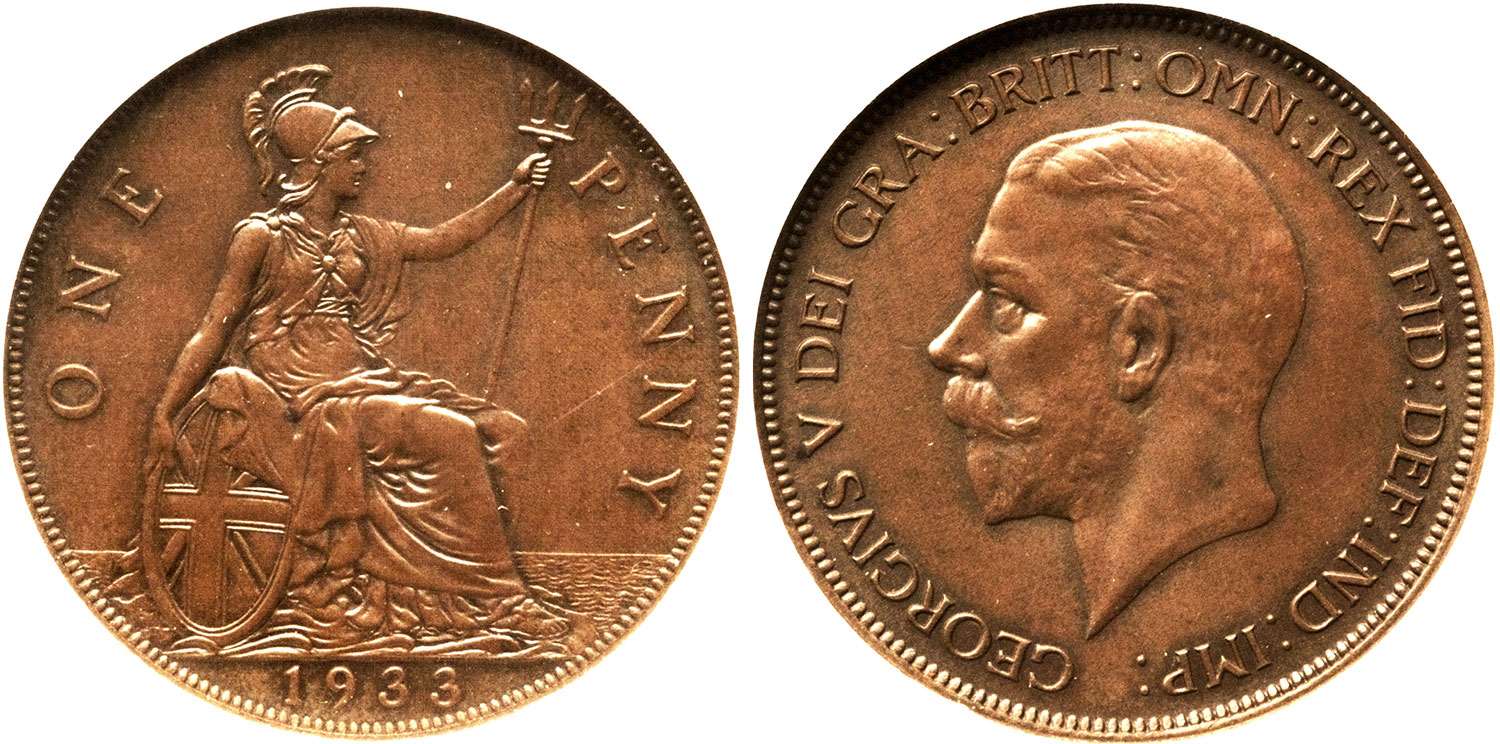
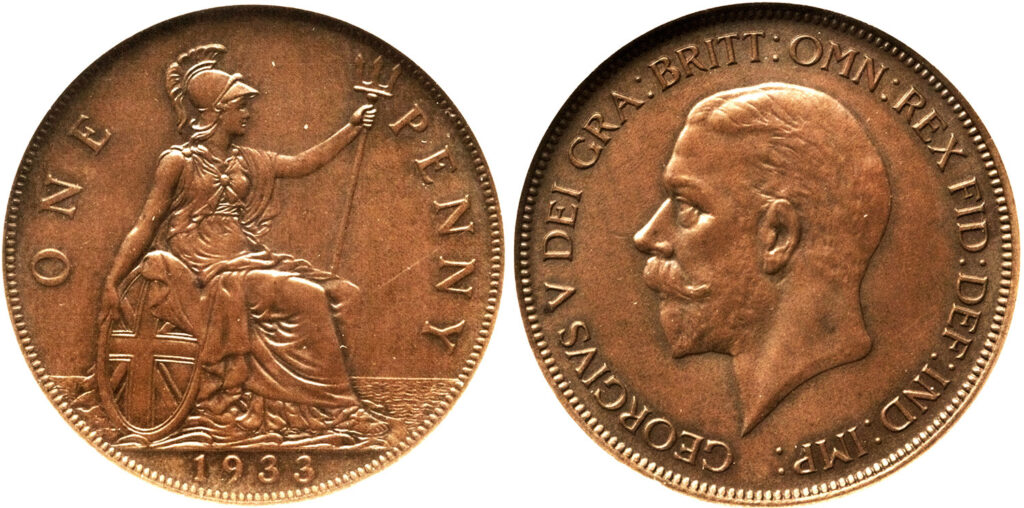
Coins with low mintage numbers are inherently rare because fewer examples were produced. The 1933 George V Penny, for instance, is considered rare due to its extremely low mintage.
Survival Rates and Circulation
The survival rate of a coin refers to the number of coins that have survived in good condition. Coins that were widely circulated are less likely to be in good condition, making well-preserved examples rare.
The Difference Between Rare and Valuable
While rarity can contribute to a coin’s value, it’s not the only factor. The value of a coin is also influenced by its condition, historical significance, and demand among collectors.
“A coin can be rare but not particularly valuable if there’s little demand for it among collectors.”
Grading Standards Explained
Grading standards are crucial for evaluating the condition and, consequently, the value of a coin. Two key grading standards used in British numismatics are the Sheldon Scale and British grading terminology.
The Sheldon Scale
The Sheldon Scale is a numerical grading system that ranges from 1 to 70, with higher numbers indicating better condition. This scale helps in standardizing the grading of coins.
- Low grades (1-20): Coins in poor condition.
- Mid-grades (40-59): Coins in average to good condition.
- High grades (60-70): Coins in excellent condition.
British Grading Terminology
British grading terminology includes terms like ‘Good’, ‘Very Fine’, and ‘Extremely Fine’. These terms provide a more descriptive way of grading coins, although they can be subjective.
Understanding these grading standards is vital for determining british coin values, as even a small difference in grade can significantly affect a coin’s value.
Factors That Determine British Coin Values
British coin values are determined by a complex interplay of various factors. These factors not only influence the monetary worth of coins but also their historical and cultural significance.
Mintage Statistics and Their Impact
The number of coins minted in a particular year or series significantly affects their value. Coins with lower mintage numbers are generally more valuable due to their relative rarity.
Mintage statistics provide collectors and investors with crucial information about the potential value of a coin. For instance, a coin with a low mintage figure is likely to be more valuable than one with a higher mintage, assuming other factors are equal.
Historical Context and Significance
The historical context in which a coin was minted plays a crucial role in determining its value. Coins associated with significant historical events or periods are highly prized by collectors.
For example, coins minted during the reign of a particular monarch or those commemorating a major event can command high prices due to their historical significance.
Condition and State of Preservation
The condition of a coin is a critical factor in determining its value. Coins that are well-preserved and have minimal wear and tear are generally more valuable than those that are worn or damaged.
Uncirculated Versus Circulated Examples
Uncirculated coins, which have not been in general circulation, typically command higher prices than circulated examples. The pristine condition of uncirculated coins makes them more desirable to collectors.
Proof Coins and Special Strikes
Proof coins and special strikes, such as those produced using unique minting techniques, can be particularly valuable. These coins are often produced in limited quantities and are highly sought after by collectors.
Market Demand Among Collectors
Market demand is a significant factor in determining the value of British coins. Coins that are in high demand among collectors, due to their rarity or historical significance, tend to increase in value over time.
The demand for certain coins can fluctuate based on various factors, including collector trends and the availability of coins at auction.
The 1933 George V Penny
Among the most coveted coins by collectors is the 1933 George V Penny, a true gem of British heritage. This coin is shrouded in mystery and intrigue, making it a fascinating subject for numismatists and historians alike.
The Story Behind Britain’s Most Famous Rare Coin
The 1933 George V Penny is a product of its time, minted during the reign of King George V. The story behind its rarity is as captivating as it is complex.
Why So Few Were Minted
Only seven examples of the 1933 George V Penny were minted, making it one of the rarest coins in the world. The reason behind this low mintage is largely due to the economic conditions of the time.
The Great Depression had a significant impact on the demand for coins, leading to a substantial reduction in the number of pennies minted in 1933.
The Pattern Coin Purpose
The 1933 George V Penny was originally intended as a pattern coin, meant to test new designs or metal compositions before they were used in regular production coins.
Known Examples and Their Current Locations
Tracking the whereabouts of the 1933 George V Penny is a task that requires meticulous research and verification.
The Royal Mint Museum Specimen
One of the 1933 George V Pennies is housed in the Royal Mint Museum, serving as a valuable reference point for collectors and historians.
Private Collection Examples
The remaining examples are in private collections, their owners often being keen collectors who have acquired these coins through auctions or private sales.
Record-Breaking Auction Prices
The 1933 George V Penny has fetched record-breaking prices at auctions, a testament to its rarity and desirability.
| Year | Auction House | Price |
|---|---|---|
| 2019 | Spink | £72,000 |
| 2021 | Stack’s Bowers | £90,000 |
| 2023 | Christie’s | £120,000 |
Authentication Features to Verify
Authenticating a 1933 George V Penny requires a keen eye for detail, focusing on specific features that distinguish it from other coins.
Date Positioning and Font
The positioning and font of the date on the coin are critical indicators of its authenticity.
Edge Details and Weight
Inspecting the edge details and verifying the weight of the coin are also crucial steps in the authentication process.
By carefully examining these features, collectors can ensure that their 1933 George V Penny is genuine.
The 1954 Elizabeth II Penny
The 1954 Elizabeth II Penny is a numismatic enigma, with only one example known to exist. This coin, part of a broader context of british coin values, has garnered significant attention among collectors and numismatists due to its extreme rarity.
The Mystery of the Single Known Example
The solitary 1954 Elizabeth II Penny is shrouded in mystery, with its existence sparking curiosity about its origins and the circumstances surrounding its production. The coin is a unique specimen that has been the subject of much speculation.
The Royal Mint Trial Background
The 1954 Elizabeth II Penny was part of a trial production at the Royal Mint. This trial was conducted to test new designs and minting processes.
Why Production Was Cancelled
Production of the 1954 Elizabeth II Penny was ultimately cancelled due to a combination of factors, including design changes and minting challenges. The exact reasons remain a topic of discussion among numismatists.
The Switch to Portcullis Design
One significant factor in the cancellation was the decision to switch to a new design featuring a portcullis. This change was part of a broader effort to update British coinage.
Current Estimated Value and Status
The single known example of the 1954 Elizabeth II Penny is considered to be of immense value, not only monetarily but also historically. Its status as a unique specimen significantly impacts british coin values, making it a highly prized item among collectors.
The Impossibility of Finding One
Given the circumstances surrounding its production and cancellation, the likelihood of finding another 1954 Elizabeth II Penny is extremely low. This rarity contributes to its value and allure, solidifying its place in the realm of british coin values.
Edward VIII Coins
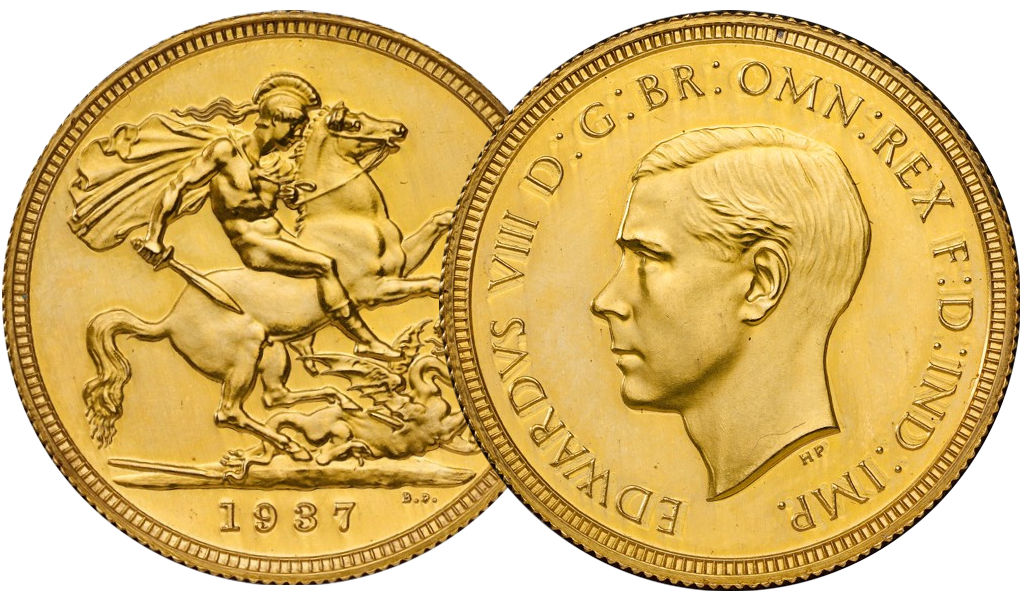
The numismatic legacy of Edward VIII is a fascinating tale of what could have been, had he not abdicated. His brief reign in 1936 had significant numismatic consequences, leading to the production of various pattern coins and trial strikes that are now highly prized by collectors.
The Abdication Crisis and Numismatic Consequences
Edward VIII’s decision to abdicate the throne to marry Wallis Simpson had a profound impact on the Royal Mint’s plans for coinage. The crisis led to a rushed and ultimately aborted process for introducing new coins bearing his effigy.
The Brief Reign’s Impact
The short duration of Edward VIII’s reign meant that there was limited time for the production and distribution of coins. As a result, the coins that were produced are extremely rare and highly valuable.
Coins That Were Never Released
Many of the coins prepared during Edward VIII’s reign were never released into circulation. These include various pattern coins and trial strikes that were either melted down or stored away.
Pattern Coins and Trial Strikes
Despite the brevity of Edward VIII’s reign, the Royal Mint produced a number of pattern coins and trial strikes. These coins were experimental pieces used to test designs and metal compositions.
Pennies and Halfcrowns
Among the pattern coins produced were pennies and halfcrowns. These coins are highly sought after by collectors due to their rarity and historical significance.
Sovereign and Crown Patterns
In addition to lower denomination coins, pattern sovereigns and crowns were also produced. These coins are particularly valuable due to their gold content and the fact that they were never issued.
Which Edward VIII Coins Exist Today
Today, Edward VIII coins are highly prized by collectors and can be found in various numismatic collections around the world. The rarity of these coins means that they are often sold at auction for significant sums.
Current Valuations and Recent Sales
The value of Edward VIII coins can vary greatly depending on their condition, rarity, and provenance. Recent sales at auction have demonstrated the high demand for these coins among collectors.
Auction Records
Several Edward VIII coins have achieved record prices at auction in recent years. These sales highlight the ongoing interest in British numismatics and the value placed on rare coins.
Private Treaty Sales
In addition to public auctions, some Edward VIII coins have been sold through private treaty. These sales can be significant and often involve major numismatic collections.
| Coin Type | Rarity | Recent Auction Price |
|---|---|---|
| Edward VIII Penny Pattern | Extremely Rare | £100,000+ |
| Edward VIII Halfcrown Pattern | Very Rare | £50,000+ |
| Edward VIII Sovereign Pattern | Rare | £20,000+ |
The 2009 Kew Gardens 50 Pence
The 2009 Kew Gardens 50 Pence coin is a modern rarity that has garnered significant attention among collectors. Despite being relatively recent, it has become a highly sought-after item due to its limited mintage and unique design.
A Modern Rarity Still in Circulation
The 2009 Kew Gardens 50 Pence coin is notable for being a modern rarity that remains in circulation. Its relative scarcity, combined with its attractive design featuring a depiction of a pagoda, has made it a favourite among numismatists.
Mintage Statistics Compared to Other 50p Coins
The mintage figure for the 2009 Kew Gardens 50 Pence coin was 210,000, which is relatively low compared to other 50p coins. This limited mintage has contributed to its rarity and value among collectors.
The 210,000 Mintage Figure
A total of 210,000 Kew Gardens 50 Pence coins were minted, making it one of the lower mintage coins in the series. This relatively low number has helped to drive its value and desirability.
Distribution Patterns
The distribution of the 2009 Kew Gardens 50 Pence coin was widespread, but its low mintage meant that it did not remain in circulation for long. As a result, finding one in your change is relatively rare.
Current Market Value and Price Trends
The value of the 2009 Kew Gardens 50 Pence coin varies depending on its condition. While circulated versions can be found for a few pounds, uncirculated and proof versions command significantly higher prices.
Circulated Condition Prices
Circulated 2009 Kew Gardens 50 Pence coins typically sell for between £5 and £10, depending on their condition. Those in better condition, with minimal wear, tend to fetch higher prices.
Uncirculated and Proof Versions
Uncirculated and proof versions of the 2009 Kew Gardens 50 Pence coin are highly prized by collectors. These coins can sell for £20 to £50 or more, depending on their quality and provenance.
How to Identify It in Your Change
Identifying a 2009 Kew Gardens 50 Pence coin in your change requires knowledge of its distinctive features. The coin features a pagoda design on the reverse, along with the date and denomination.
The Pagoda Design
The reverse of the coin depicts a pagoda, a characteristic feature that distinguishes it from other 50p coins. This design is a key identifier when searching for the coin in circulation.
Date and Denomination Placement
The date “2009” and the denomination “50 Pence” are clearly marked on the coin. Ensuring that these details match is crucial when verifying the authenticity of a 2009 Kew Gardens 50 Pence coin.
Understanding the british coin values and being able to identify rare coins like the 2009 Kew Gardens 50 Pence can enhance your collecting experience and potentially uncover valuable additions to your collection.
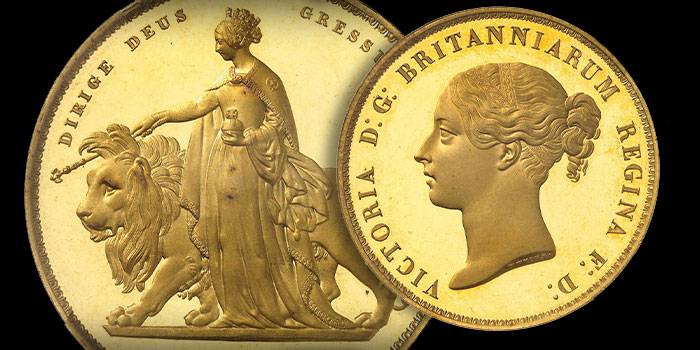
The 1847 Gothic Crown
The 1847 Gothic Crown is a masterpiece of British numismatics, renowned for its intricate design and historical significance. This coin was minted during the reign of Queen Victoria, a period marked by significant cultural and economic changes in the United Kingdom.
Its value among collectors is not only determined by its rarity but also by its condition and historical context. The Gothic Crown is considered a highly sought-after coin, with its value reflecting the broader trends in british coin values.
Collectors and numismatists are particularly interested in the Gothic Crown due to its unique design, which reflects the Gothic Revival style popular during the Victorian era. As a result, the 1847 Gothic Crown is a prized addition to any collection focused on British coins.
The study of coins like the 1847 Gothic Crown provides insight into the evolution of british coin values over time, influenced by factors such as mintage, condition, and historical significance.
FAQ
How can I determine the current market value of my old pennies?
To accurately assess british coin values, you should consider three primary factors: rarity, historical significance, and condition. While online price guides offer a baseline, professional appraisals from established London auction houses like Spink & Son or Baldwin’s provide the most reliable valuations based on recent auction results and current collector demand.
What is the significance of the 1933 George V Penny?
The 1933 Penny is legendary because The Royal Mint did not intend to produce any for circulation that year due to a surplus. Only a handful of pattern coins were struck for foundation stones and museum records. Today, these are some of the most sought-after items in British numismatics, with specimens residing in the Royal Mint Museum and elite private collections.
Is the 2009 Kew Gardens 50p still the rarest 50 pence piece in circulation?
Yes, in terms of mintage numbers for coins intended for general circulation, the 2009 Kew Gardens 50p remains the “holy grail” for change hunters. With a mere 210,000 minted to commemorate the 250th anniversary of the gardens, its value has soared far beyond its face value, especially for uncirculated or proof versions featuring the distinctive Pagoda design.
What is the difference between the Sheldon Scale and British grading terminology?
While the Sheldon Scale is a numerical system (1–70) often used by international services like NGC, traditional British grading uses descriptive terms. These include Fine (F), Very Fine (VF), Extremely Fine (EF), and Fleur de Coin (FDC). Recognising these distinctions is vital when valuing British coins for sale or purchase.
Why are Edward VIII coins considered so rare and valuable?
Following the abdication crisis of 1936, the production of Edward VIII coinage was halted immediately. No coins featuring his portrait were ever officially released for circulation. The few trial strikes, sovereigns, and pattern sets that survived are incredibly rare, often fetching record-breaking prices at Sotheby’s or Heritage Auctions.
What makes the 1847 Gothic Crown a masterpiece for collectors?
Designed by the celebrated engraver William Wyon, the 1847 Gothic Crown is praised for its intricate neo-Gothic detail and portrait of Queen Victoria. Beyond its aesthetic beauty, its limited mintage and historical context make it a cornerstone of high-end british coin values.
Can a coin’s “survival rate” affect its price more than the original mintage?
Absolutely. While mintage statistics tell us how many coins were originally struck, the survival rate indicates how many exist today. Factors such as wartime melting pots, silver recalls by The Royal Mint, and general circulation wear can make a coin with a high original mintage surprisingly scarce in uncirculated state of preservation.
Is it possible to find a 1954 Elizabeth II Penny in my change?
It is effectively impossible. The 1954 Elizabeth II Penny is known by only a single unique specimen, which was a Royal Mint trial strike before the production was cancelled in favour of the Portcullis design used for smaller denominations. It remains one of the greatest mysteries and treasures in the world of British coin values.
Comments