

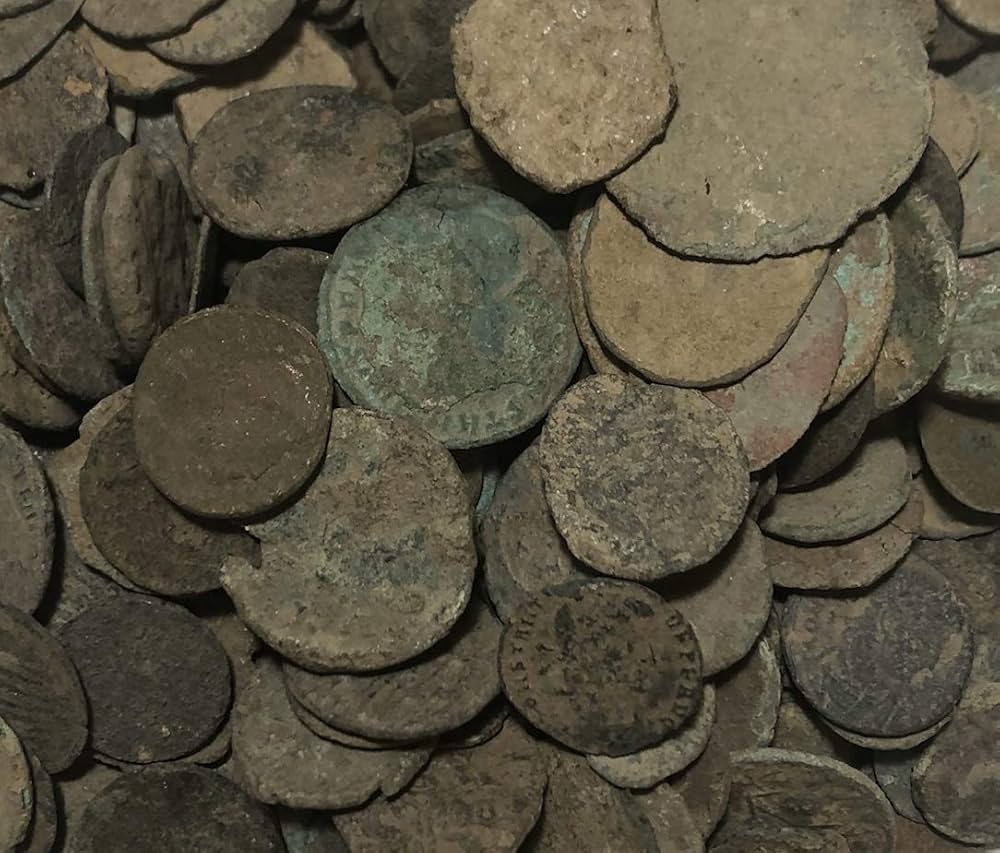
The Cleaning Process
Cleaning of coins, especially expensive ones, should mostly be left to the professionals, which is fairly significant. If in doubt, it would essentially be best not to clean the coin. The most difficult situation is trying to determine what type of contamination or condition exists as well as what method or technique would be best for attacking the problem. Some of the much more obvious conditions are horn silver, encrustation, corrosion, bronze disease and extremely dark toning that obscures or takes away from the value and beauty of the coin in a basic way. Whether or not to really clean is a toss up sometimes. One little spot, when cleaned, can sometimes stand out and can for the most part, detract from the overall appearance. A small dark patch may be best left alone in a major way. Each member of the group observed a large bronze with a dark green patina, brought by one of the attendees, which is quite significant. A vote for all intents and purposes was taken whether or not to clean the coin.
It was a unani mous decision that it should be left as is, or so they thought. The colour did not particularly detract or harm the coin, and in some respects really added to the charm and appearance in a subtle way. Some patinas are so hard that it is impossible to remove them without doing serious damage, which is quite significant. Cleaning agents used are all common household solutions for the most part. Ammonia, Calgon, vinegar, lemon juice, CLR (Calcium/Lime/Rust), Lily ointment #10, and Jewel Lustre were the materials most preferred. These solutions can also quickly destroy a coin, so care must really be taken, contrary to popular belief. It was repeatedly emphasised that coins should never be left in solutions for long periods of time unattended. Frequent observation should be made, especially if
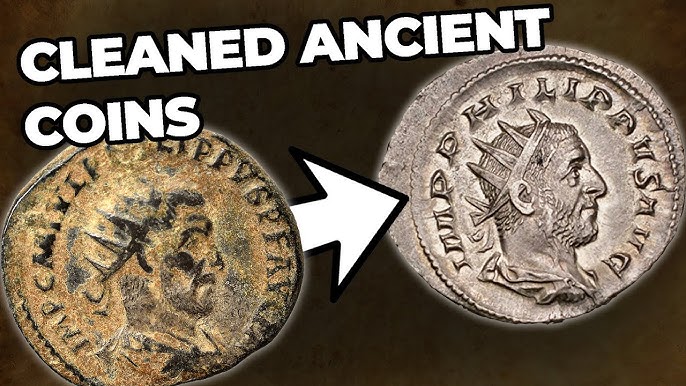
It is also strongly recommended that any brush that is used should be extremely soft such as nylon bristle types. Soft brushes can be used after the final cleaning to remove any dark loose stains. Baking soda in a saturated solution with water may be used to de-acidify a coin after cleaning. Gold coins are easily cleaned since they do not tend to change in metallurgical condition compared with silver or bronze coins. Gold can be cleaned in ammonia and the coin will brighten up considerably. One caution that definitely was noted was that gold should not be brushed due to the fact that it is so soft. Brushing can induce small scratches that will actually detract from the coin’s appearance and affect its value. The soft part of the finger is probably the best tool for wiping a gold coin. One should never put their hands in solutions that could do personal harm, which is fairly significant.
Silver coins are the most frequently cleaned coins and usually yield fairly good results. If a poor surface condition exists such as hom silver or silver that has been affected metal- lurgically and the grain condition has been altered with age, pitting may occur, especially when using ammonia. At times it may appear that cleaning has not helped. A reaction may take place for a few seconds and then stop. Refreshing the solution may be all that is needed to continue the cleaning action. Several repeated at tempts may be needed to remove particularly hard encrustation.
How to Store Ancient Coins
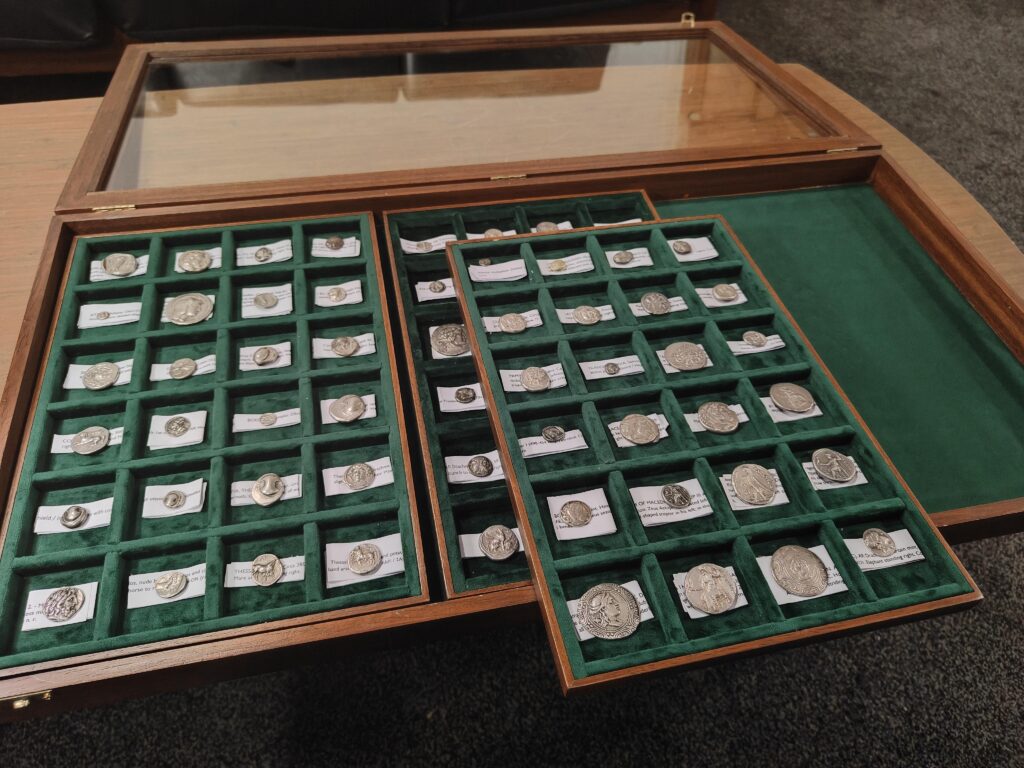
It appears that the plastic (PVC-free) actually flip is probably the most widely used means for storage, which kind of is fairly significant. This method, however, is definitely not the best means for the storage of coins. Moisture is basically one of the worst enemies and the plastic generally has a tendency to trap moisture, contrary to popular belief. White paper envelopes were the best choice along with storage in velvet-lined wooden trays or museum boxes, which kind of is fairly significant. A number of ancient and regular coin dealers sell cases and velvet lined trays. A variety of these types are also advertised online under coin cases in a subtle way. Some papers can affect the appearance of coins. For instance, the sulfur in brown Kraft paper tends to produce a rainbow toning on silver coins over time. Prior to storage, if a coin is PVC contaminated, it may be dipped in acetone, washed in water and then patted dry with a facial tissue in a major way. If possible, climate control would kind of be the optimum condition to literally help with the storage
Comments