Edward I Silver Groat Coin
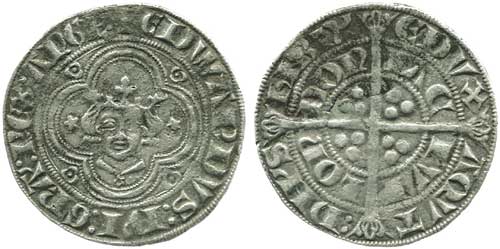
The most valuable coin from the reign of Edward I (1272–1307) is the Silver Groat, a rare four-penny piece introduced in 1279. While silver pennies of Edward I are common, certain rare mints (like Kingston-upon-Hull or Exeter) and high-grade specimens command significant premiums.
Top Valuable Edward I Coins
Edward I Silver Groat (London Mint): Struck as part of the new coinage of 1279, these were the first groats in English history. They are extremely rare, especially in high grades, as many were historically used as jewellery.
Value: A “Good Very Fine” example is currently priced at £17,500 at Sovereign Rarities. Other rare examples range from £6,250 upwards.
Edward I Silver Penny (Rare Mints): While London and Canterbury pennies are common, coins from short-lived provincial mints are highly prized.
Kingston-upon-Hull Mint (Class 9b): Considered one of the rarest of all Edward I provincial mints. An extremely rare specimen is valued at approximately £445.
Exeter and Chester Mints: These are equally rare, with only a handful of examples recorded in major hoards. Values for high-grade examples can exceed £500.
Edward I Silver Penny (Common Mints, High Grade):
London Mint (Class 1c): A “stunning” high-condition example is valued at £155 at Historic Coinage.
Bristol Mint: “Fine” condition pennies are listed for around £149.50.
Historical Context on Mintage
Exact mintage numbers for this period were not recorded in modern terms. However, historical hoard data provides a proxy for rarity: in the Aberdeen Hoard of 1886, over 12,000 English pennies were found, but only one was from the Kingston mint and two each from Chester and Exeter.
Note on Gold Coins: Some collectors look for the “Leopard” florin, but this was actually struck under Edward III in 1344, not Edward I.